
Tokyo's Haneda and Narita airports: a business traveller's guide
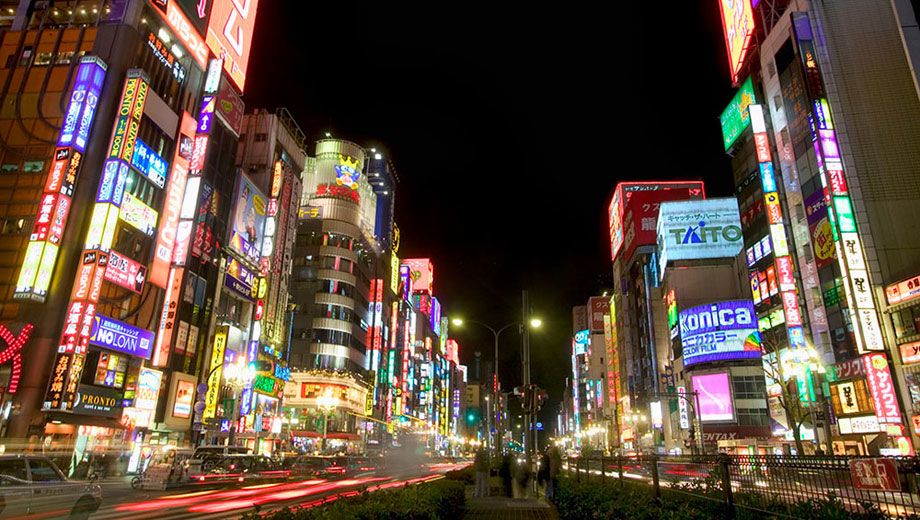
It's a pretty simply question. Narita vs Haneda – which of Tokyo's two international airports are better suited for the business traveller?
It's also a question that's only recently become relevant to Australians, with Qantas to debut Sydney-Haneda flights on July 31 and ANA set to follow in December 11, 2015.
However, Japan Airlines still flies from Sydney to Narita as its sole Aussie route, while from Saturday August 1 Qantas adds a new daily Brisbane-Narita service to the schedule.
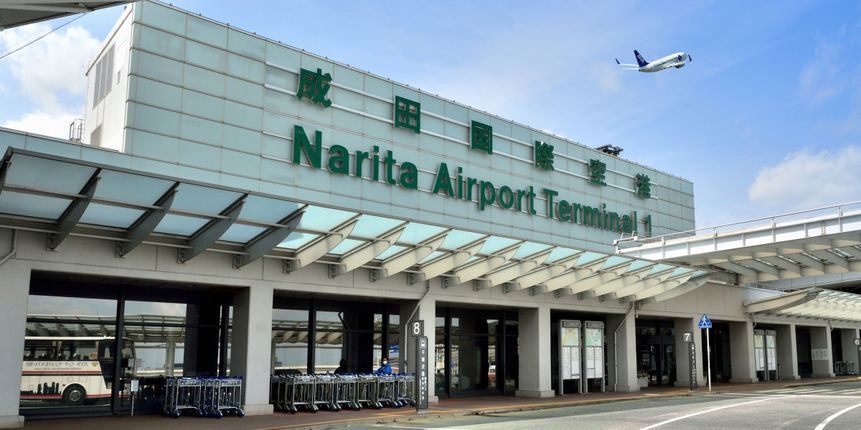
If you're travelling directly onwards from either Narita or Haneda to another destination in Japan then your choice will largely be guided by which airline you're flying from Australia and which airport is better for the onwards connection.
But the majority of Japan-bound jetsetters are bound for the nation's capital. All else being equal, then, is one airport better than the other?
It mainly comes down to their distance from Tokyo.
Haneda has the edge because it's just 15km from Tokyo, compared to some 65km for Narita.
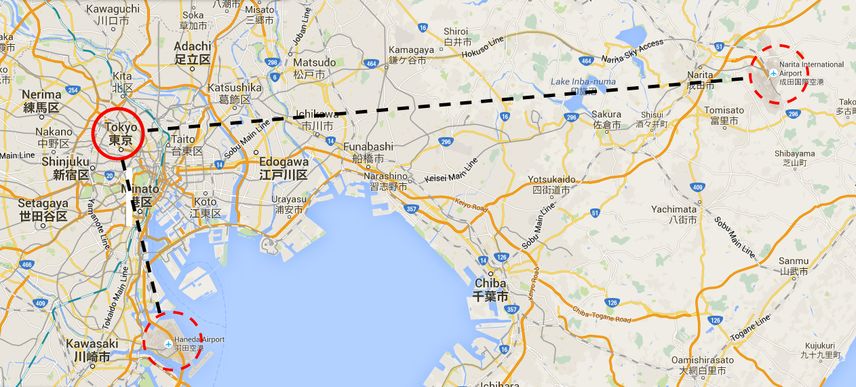
That's because Haneda was Tokyo's first international airport and still carries that branding – although it spend a few decades as a domestic-only airport when Narita opened in 1978 and took on all overseas flights, until Haneda resumed international flights out of a new terminal in 2010.
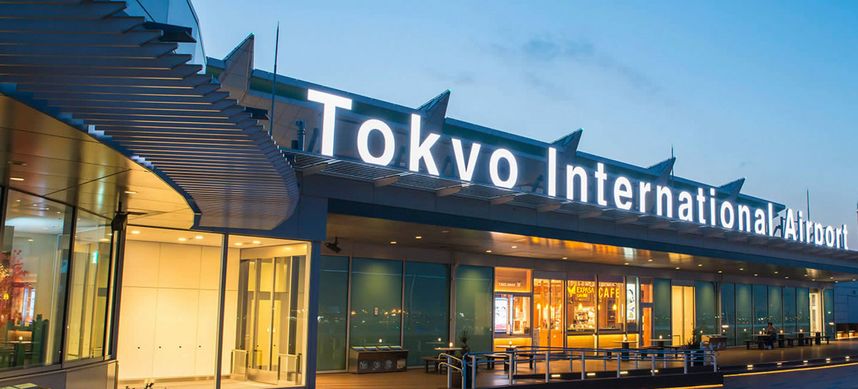
Haneda Airport to Tokyo
Haneda's close proximity to Tokyo often sees it described as a 'downtown' airport – in fact it's so close that you can catch a monorail to the city.
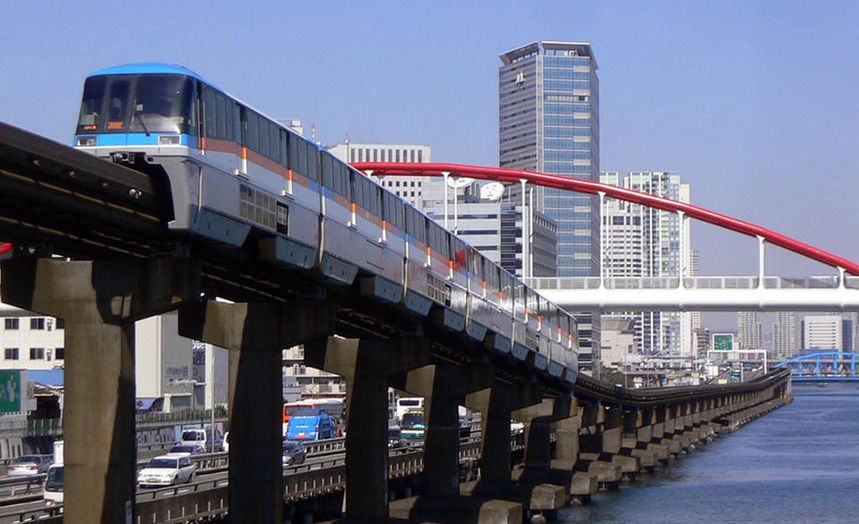
Running along the edge of Tokyo Bay, the Tokyo Monorail is the easiest and also the most scenic option after landing at Haneda's impressive international terminal.
¥490 (a mere $5.50) and 15 minutes sees you at Hamamatsucho station on the busy JR Yamanote line, which encircles Tokyo, as well as the more regional Keihin Tohoku subway line – and those in turn will get you almost anywhere you're likely to be going.
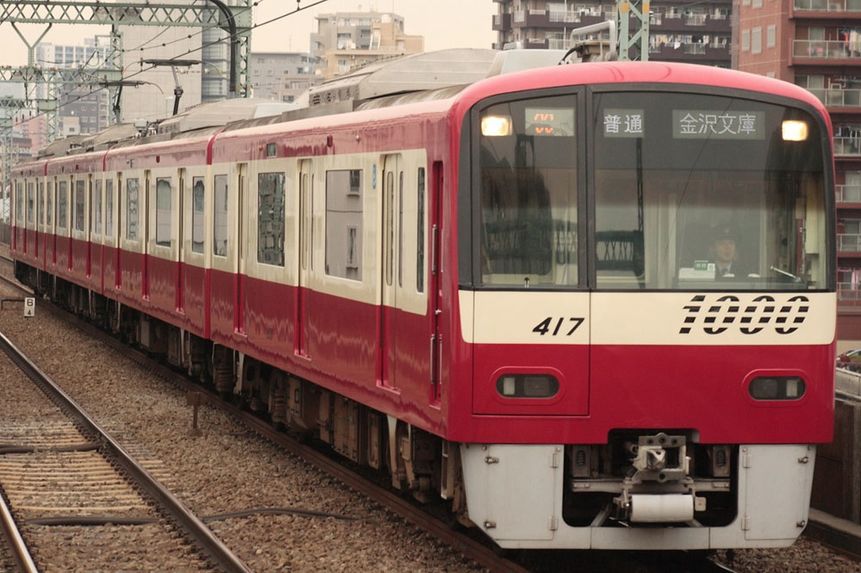
A more pedestrian alternative is the Keikyu Airport line, with drab box-like suburban trains to Shinagawa taking 11 minutes at ¥410 (A$4.50) from where you connect to other lines.
Narita Airport to Tokyo
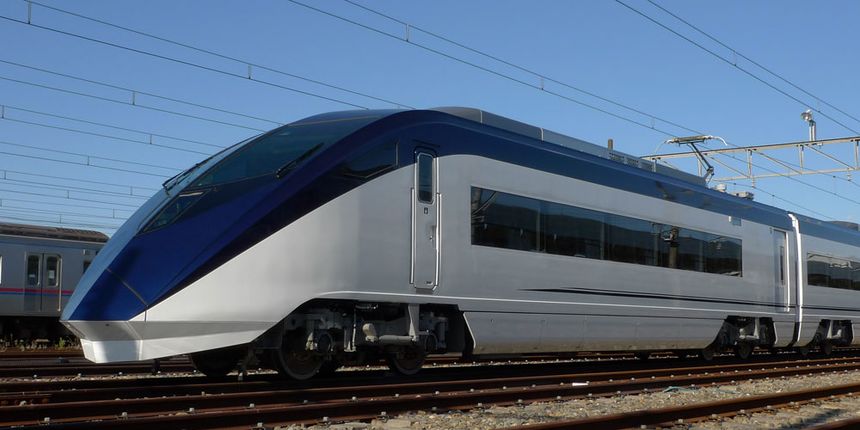
Narita's sheer distance from Tokyo, however, sees two high-speed trains darting between the airport and the city.
The sleek Skyliner will whisk you to the mega-suburb of Ueno – at speeds of up to 160kmh – in 41 minutes for ¥2,470 (A$27) although international visitors can buy their ticket in advance online for ¥2,200 (A$24).
The Narita Express or N'EX sprints through to Tokyo central station in about an hour, with trains continuing to the either Shinagawa in another 10 minutes, or Shibuya and Shinjuku within 25 minutes.
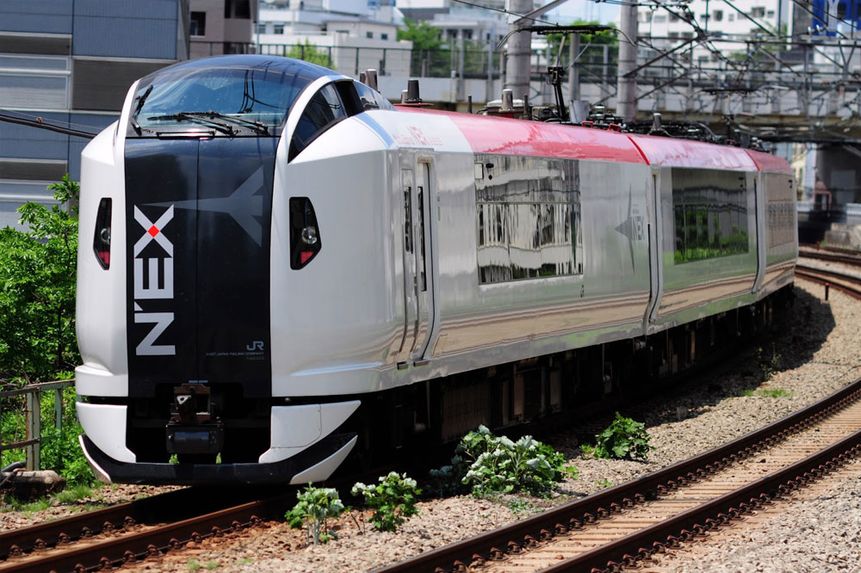
Tickets on the 'standard' cars cost ¥3,020 (A$34) for a one-way ride to Tokyo and ¥3,190 (A$35) if you're continuing to Shinagawa, Shibuya or Shinjuku.
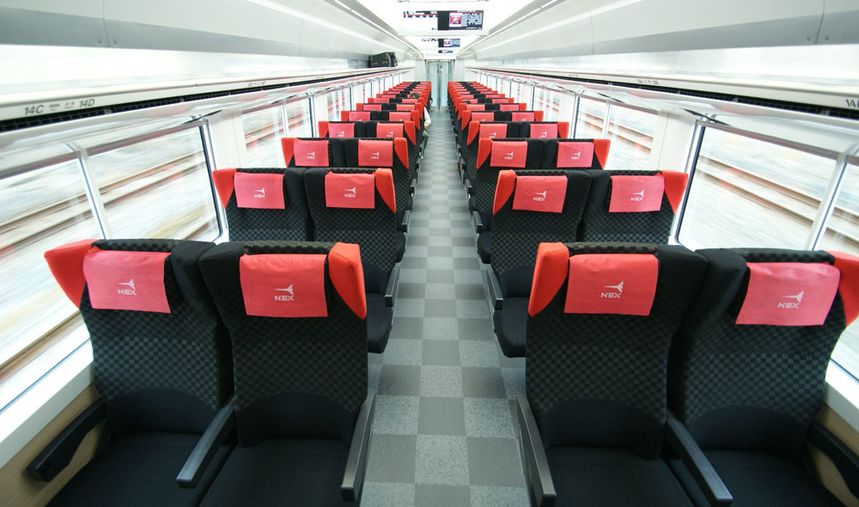
¥4,560 (A$51) and ¥4,730 (A$52) respectively will see you arrive in the same time but with a slightly more comfy leather-clad seat and a little extra legroom in one of the first class 'Green Cars'.
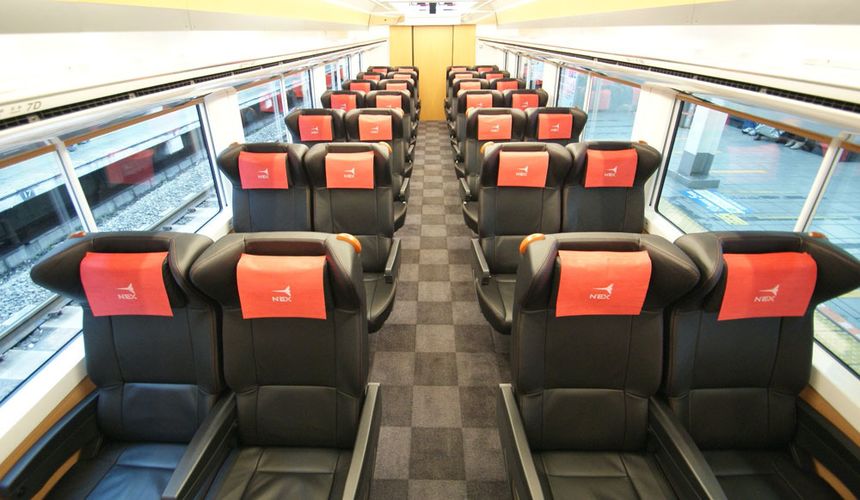
But the difference is a negligible two inches – 41 inches in a Green Car against 39 inches in other carriages – so apart from the Green Cars also being less crowded and as a result a little quieter, there's not much reason to stump up the extra A$17.
Best value is the ¥4,000 (A$44) N'EX Tokyo Round Trip Ticket, which is valid for 14 days and includes a transfer from the N'EX to all major stations in the Tokyo metropolitan area.
The rather grandly-named 'airport limousine' buses will take you directly from the airport to your hotel for around ¥3,100 (A$34) but be prepared for a long commute – the ride can easily stretch to two hours when crawling through peak-hour traffic.
Using rail passes on airport express trains
Your JR Rail Pass – which must be purchased before you arrive in Tokyo – can be used on Haneda's Tokyo Monorail and the Narita Express.
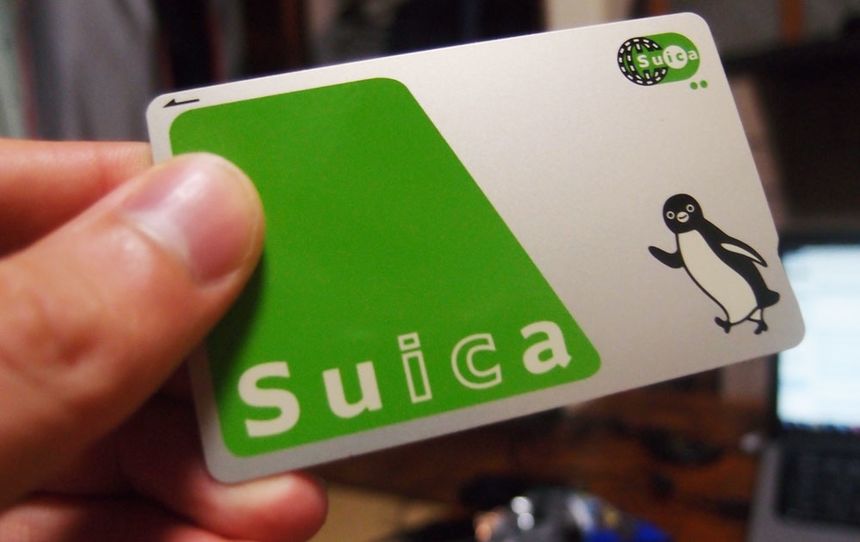
Prepaid Suica or Pasmo cards also works on the Tokyo Monorail, Haneda's Keikyu line and Narita's Keisei Skyliner.
Follow Australian Business Traveller on Twitter: we're @AusBT