
Three ways Virgin Australia intends to win against Air New Zealand
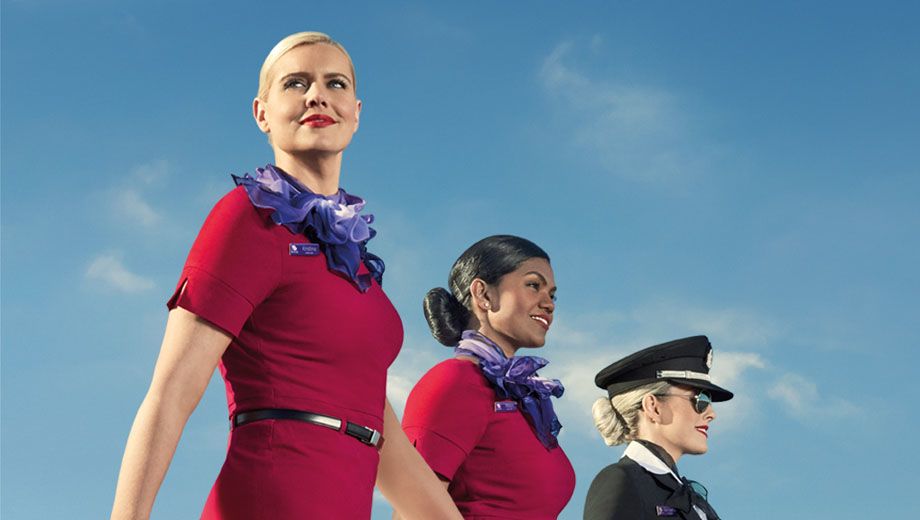
TALKING POINT | The messy break-up between Virgin Australia and Air New Zealand is not reading from the familiar script. None of this "we have come to a mutual decision, we still love each other and will always respect one another" stuff.
Instead, the airlines have gone from partners to pugilists and are now fighting not for custody of the children but for trans-Tasman travellers – especially business and premium leisure flyers.
Gone are the shared flights and lounges, along with coordination on schedules and pricing in an effort to paint common foe Qantas into a corner – albeit a big corner which represented almost 50% of the market.
Now each airline is free to go its own way, do its own thing and give its competitors a bloody nose in the process.
Beyond the usual competitive plays such as sharper pricing, here are three weapons with which Virgin Australia aims to win the trans-Tasman turf war against its onetime Kiwi paramour.
1. Business class on every flight
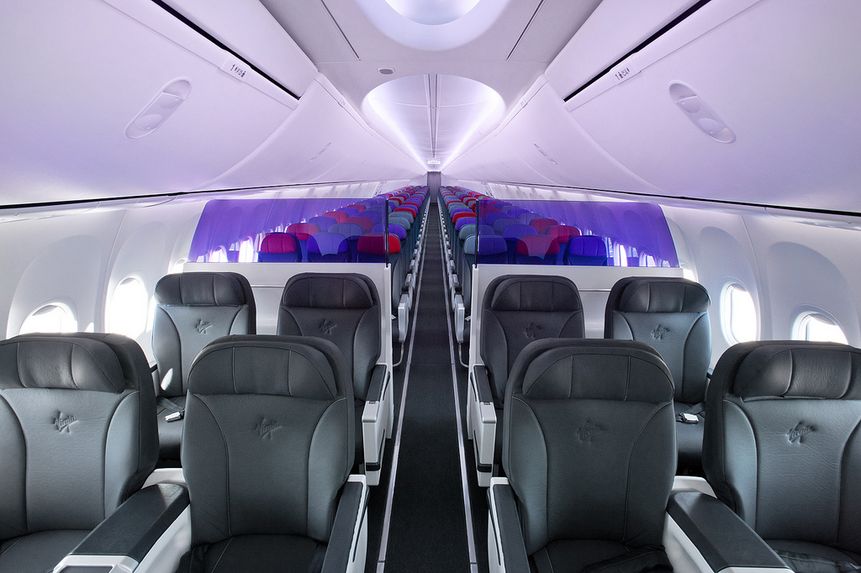
Every one of Virgin's trans-Tasman flights runs on a Boeing 737-800 jet fitted with business class. It's the same business class as the domestic Boeing 737s – eight wide recliners...
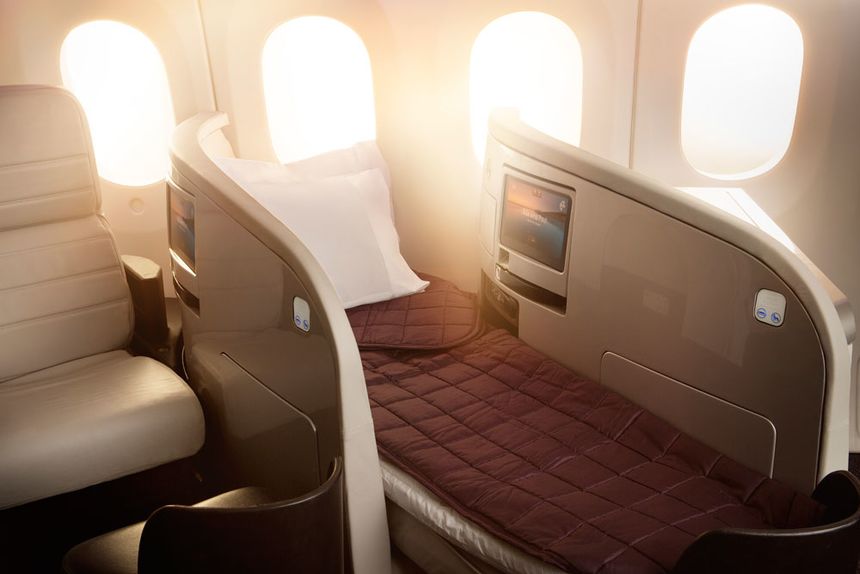
... but this offers greater consistency than Air New Zealand's mixed fleet, where some flights feature a Boeing 787 or Boeing 777 with a fully-flat business class...
... while flights on the Airbus A320 jets have economy seating from tip to tail, topping out with a 'Euro-business' premium option with extra legroom and an empty middle seat as its 'The Works' option.
2. Velocity points and status credits
This has always been one of the biggest advantages of the Virgin Australia partnership with Air New Zealand: the ability to earn frequent flyer points and status credits in Virgin's Velocity program when you're actually flying on an AirNZ jet.
Velocity earning is going to continue to be a drawcard for booking flights directly with Virgin after the split.
AirNZ's Airpoints scheme isn't highly regarded even by native New Zealanders, whose membership is more a matter of Stockholm Syndrome than anything else.
3. Inflight WiFi
As Virgin Australia continues to outfit its Boeing 737-800 fleet with inflight Internet, its WiFi rollout will also extend to New Zealand routes.
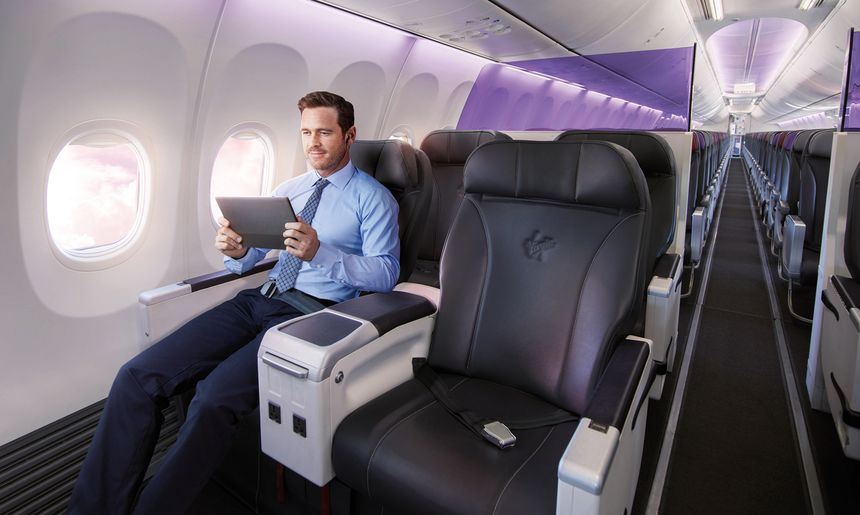
Air New Zealand is also planning WiFi for its new Airbus A321neo jets, but the size and ubiquity of Virgin's existing Boeing 737 fleet gives a headstart.
Virgin hasn't yet revealed when WiFi will stretch across the pond or how much it will charge.
Of course, none of this guarantees a victory for Virgin Australia (even if Virgin dares describe what such a victory looks like), and Air New Zealand has several strong cards in its own hand – including international-grade business class and premium economy on some flights, a strong regional network within New Zealand and a consistent network of quality lounges.
And there's always the risk that as Virgin Australia's trans-Tasman travellers rethink their plans, Qantas could pick up many new or once-strayed passengers.
Which airline is going to be your choice for future trans-Tasman flights, and why?