
Singapore Airlines to build new flagship lounges at Changi
When it opens in ten years’ time, Changi T5 5 will be larger than the other four terminals combined.
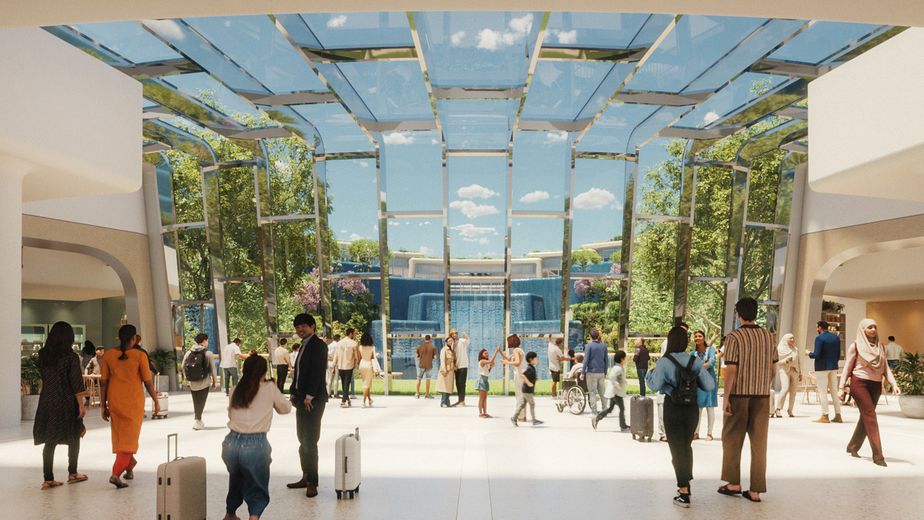
Singapore Airlines will make its new home at Changi Airport’s Terminal 5 when the mega-terminal opens in the mid-2030’s.
Built on a site almost as large as the current airport itself, T5 is your typical “Singapore planning ahead” stuff.
There’ll be over 100 departure gates, boosting annual passenger capacity at Changi – already the world’s fourth-busiest international air hub – from 90 million to 140 million.
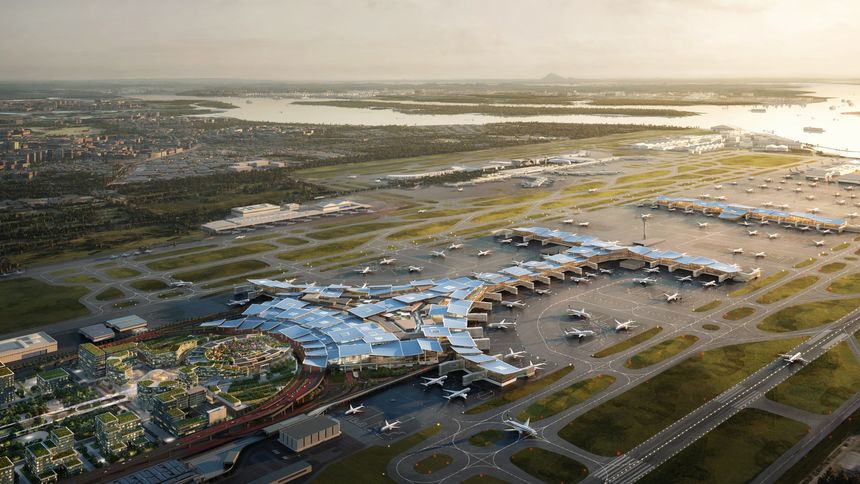
And a large number of those will be flying on Singapore Airlines and its low-cost arm Scoot, with the Changi Airport Group confirming that “the Singapore Airlines Group, which currently operates across three terminals, will consolidate its operations under one roof at T5.”
That sets the stage for some awesome Singapore Airlines T5 lounges, both for frequent flyers as well as SQ’s business class and first class passengers.
The move could also see other Star Alliance airlines relocate to T5 for more seamless connections between flights.
“Our vision is for T5 to be mega yet cosy, a terminal that embraces the Changi DNA,” says Changi Airport Group CEO Mr Yam Kum Weng, “delivering a personalised, stress free and positively surprising airport experience.”
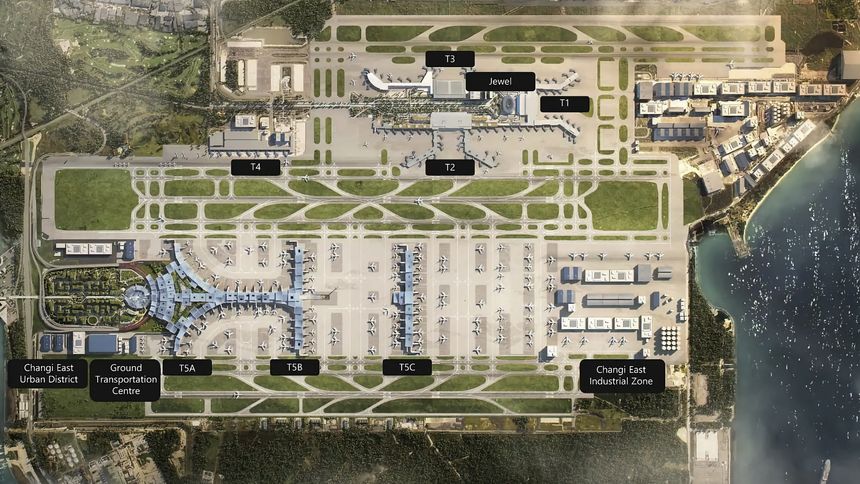
Located to the east of the current two runways and four terminals, T5 will be adjacent to a third runway previously used by the military and extended to 4km to handle modern commercial aircraft.
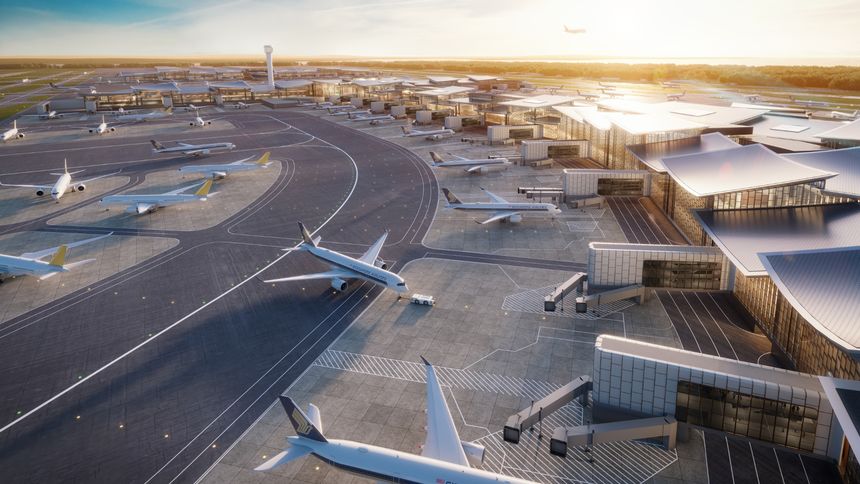
Inspired by a Singaporean blend of the city and nature, T5’s unique design concept is characterised by overlapping curved roofs which break the massive terminal building into smaller spaces with a more human scale.
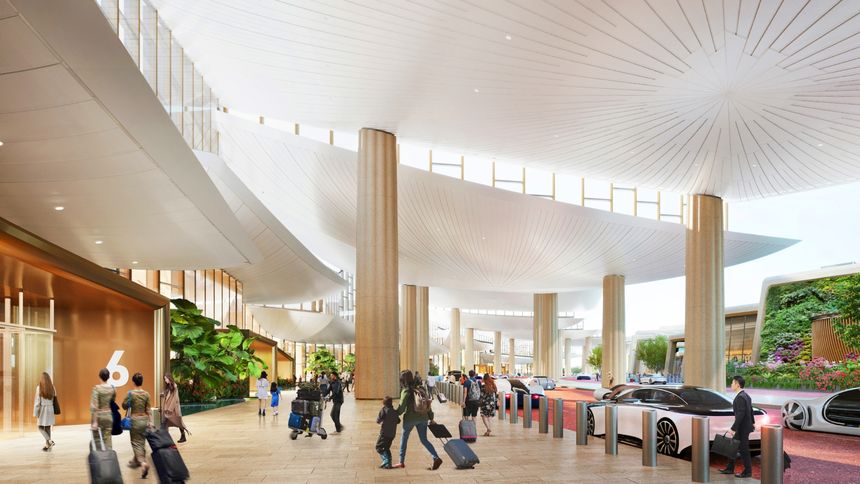
T5 design consortium member Heatherwick Studio describes the terminal as a series of neighbourhoods, serving ad “an intuitive extension of Singapore itself.”
“Our intention is to redefine what an airport terminal can be,” explains designer Thomas Heatherwick.
“Most airports aren’t great places to spend time but Changi has always been different.”
“Rather than making a single vast monolith on the outskirts of a city for the exclusive use of travellers, our plan is to create a social space that people living in the city are excited to visit.”
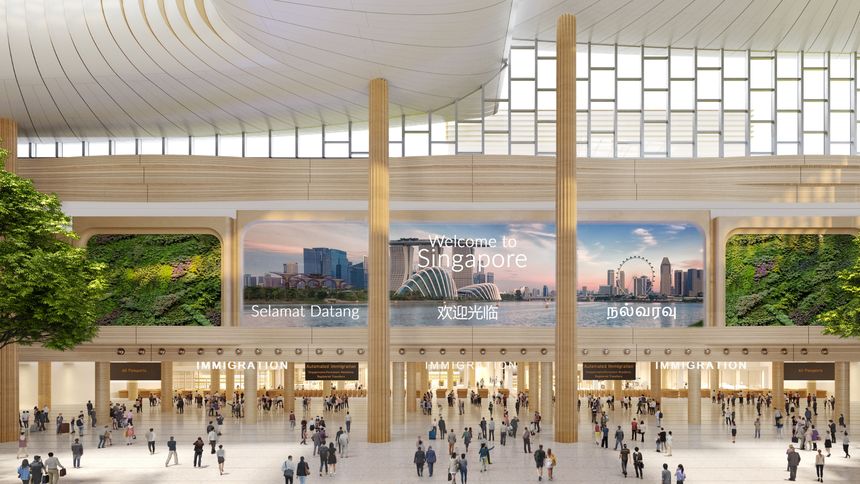
T5 itself will be divided into three terminals – T5A, T5B and the remote satellite terminal T5C.
Drawing on lessons learned from the pandemic, the smaller sub-terminals can be isolated to segregate high-risk passengers and include virus-testing capabilities.
In fact, T5 itself is so large that it will contain its own dedicated automated people mover (APM) system – similar to the Changi’s inter-terminal Skytrain – to whisk passengers within the terminal, plus a Skytrain link to Terminal 2.
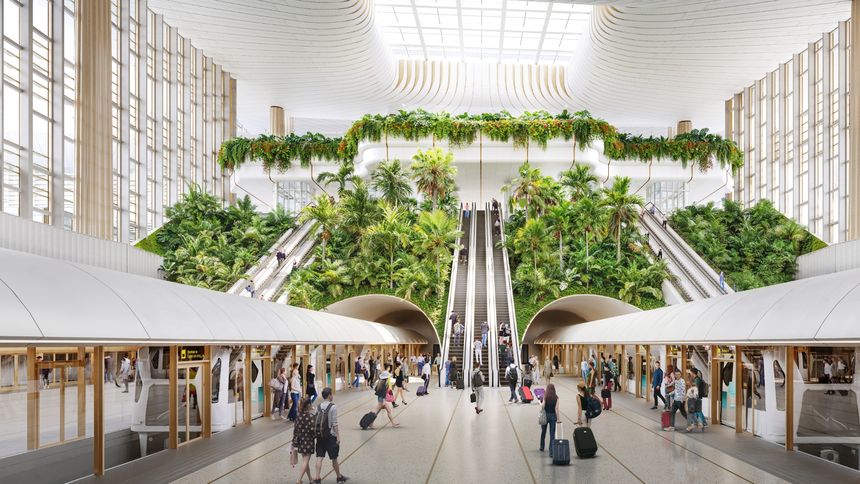
There’ll also be an MRT station at T5 for the new Cross Island Line, and from 2040 an extension to the Thomson-East Coast Line, which is being extended to provide stations at T2/T3 and a direct connection to the city, replacing the current need to change trains at Tanah Merah.
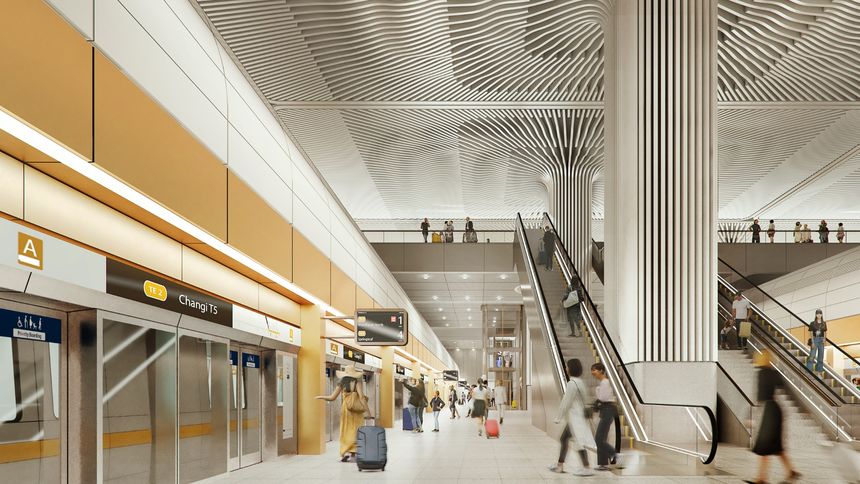
As the heart of a new Changi East development precinct, T5 will be flanked by an “urban district” of apartments, shops and offices.
Also read: Your first look at Singapore Airlines’ new Changi T2 lounges