
One year on from the RBA points apocalypse: the best cards of 2018
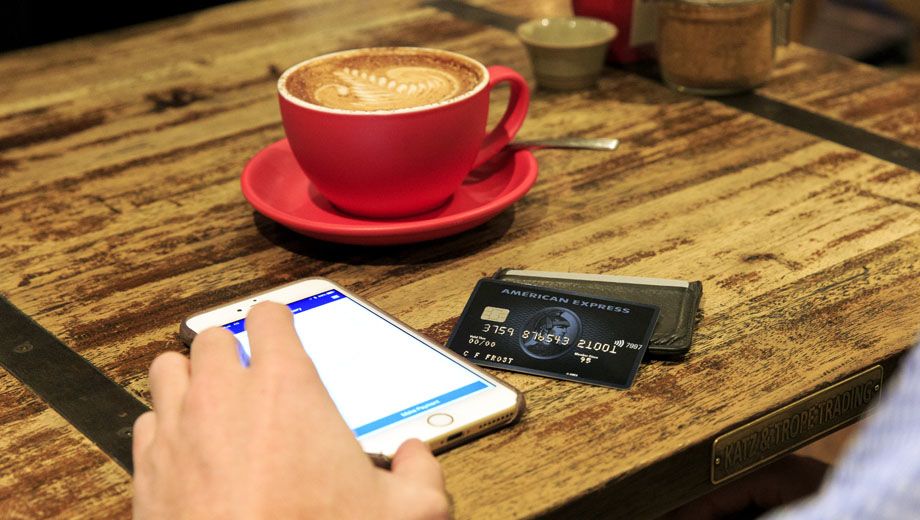
July 1 marks one year since the Reserve Bank of Australia introduced a cap on domestic credit card ‘interchange fees’, which prompted almost every Aussie bank and credit card issuer to rethink their points-earning plastic: hiking fees, cutting back those points or even a combination of both.
The changes also brought an end to bank-issued American Express cards from the likes of ANZ, Commonwealth Bank, NAB and Westpac, which traditionally provided a higher number of points per dollar spent than Visa or Mastercard: heralding an all-out 'points apocalypse' for Australian banks, but not for cards directly issued by American Express or Diners Club, on which the fee cap doesn't apply.
So, if you’ve been using the same credit card for years – or you’ve been a little lazy, relying on your old ‘backup’ Big Four Visa or Mastercard long after the attached, higher-earning AMEX card was axed – now is a good a time as ever to make sure your credit card strategy is still a rewarding one.
Whether you’re chasing points or perks, take a look at these top cards and see how they compare to your existing frequent flyer strategy.
The best credit cards for earning points on everyday purchases
With a high earning rate of 1.5 frequent flyer points per $1 spent on most purchases, uncapped, the Qantas AMEX Ultimate Card, the AMEX Velocity Platinum Card and the AMEX Explorer Card continue serving up points in generous quantities, while also providing added extras to help take the sting off the annual fees.
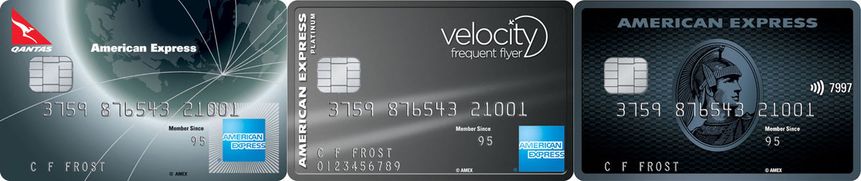
On the Qantas Ultimate Card, AMEX includes a yearly $450 Qantas Travel Credit – which you can spend on Qantas flight bookings via the AMEX website – to offset the card’s $450 annual fee: so if you’d have spent $450/year on Qantas travel anyway, the card is practically ‘free’.
Read: How to spend your free American Express travel credit
The similar Velocity Platinum Card instead includes a free return flight with Virgin Australia, two Virgin Australia lounge visits and two visits to the American Express lounges in Sydney or Melbourne every year, to help negate the $375 annual charge: plus a bonus 100 Velocity status credits every year that you spend $50,000 or more on the card.
Operating a little differently, the AMEX Explorer Card kicks things off with a yearly $400 travel credit to more than offset its $395 annual fee, but earns points in the AMEX Gateway program which can be converted to numerous global programs including Singapore Airlines KrisFlyer and Cathay Pacific Asia Miles (and Velocity too), again providing the equivalent of 1.5/$1 spent after conversion.
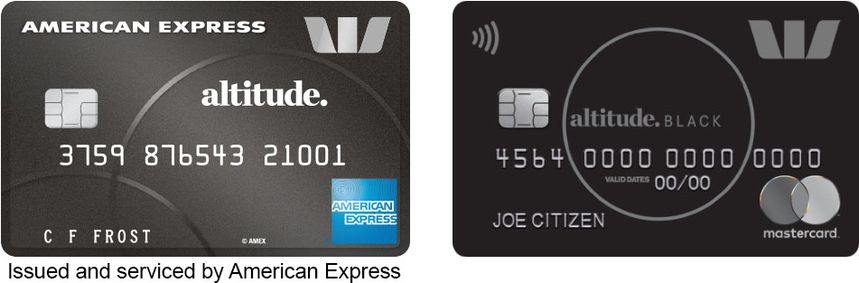
Another solid contender is the American Express Westpac Altitude Black Card, available when paired with a Westpac Altitude Black Mastercard. Converting your points to Velocity, the AMEX provides 2.5 Velocity points per A$1 spent abroad, and 1.5 Velocity points per $1 spent on most purchases in Australia: except for government transactions which provide 0.5 Velocity points per $1 spent.
We’ll also flag that the Diners Club personal charge card can provide a higher two Velocity points per $1 spent on everyday purchases via Diners Club Rewards, but only when a companion Mastercard is attached to the same account (even if you don’t use it), and of course, only in the places where Diners Club is accepted.
The best all-round card for perks: AMEX Platinum Charge Card
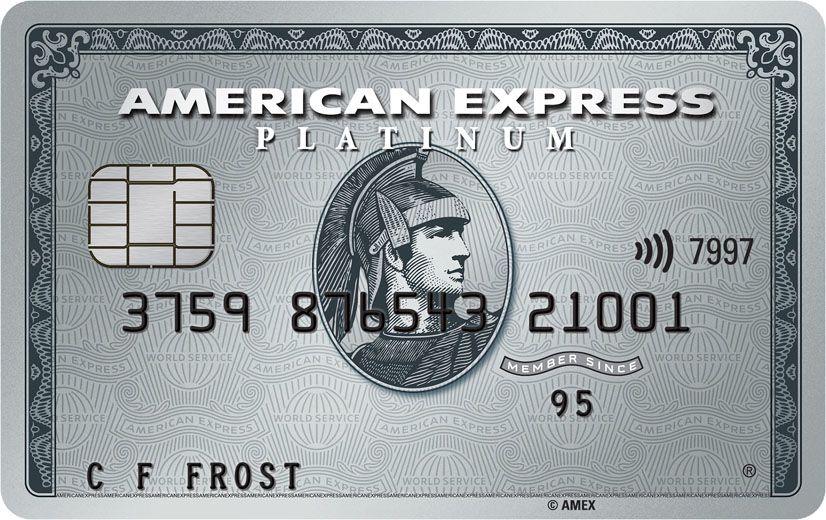
Although the cards above do provide more points per dollar spent on regular purchases, the AMEX Platinum Charge Card is unbeaten in Australia when it comes to perks, ranging from airport lounge access to complimentary elite status with airlines and hotels, and travel credits, too.
For starters, cardholders get access to Virgin Australia domestic lounges whenever flying with Virgin Australia, and to Delta Sky Club lounges whenever flying with Delta, joined by two complimentary (unlimited) Priority Pass lounge memberships, access to AMEX Centurion Lounges, and more.
Read: Five hidden lounge perks of the AMEX Platinum Card
There’s also a free boost to Hilton Honors Gold, Shangri-La Golden Circle Jade, SPG Gold, Radisson Rewards Gold Elite and Hertz Gold Plus Rewards Five Star statuses, plus a fast-track to Star Alliance Gold through Shangri-La’s separate partnership with Singapore Airlines after taking just three flights.
Also read: Secret benefits of the AMEX Platinum Charge Card, including Star Alliance Gold
Among the many other perks is a $300/year travel credit, partially offsetting the Charge’s $1,200 annual fee, and you can boost that to $700/year by requesting a complimentary Platinum Reserve card from AMEX, on which the annual fee is waived for Platinum Charge Card customers and features its own $400 travel credit, reducing the next cost of this card to $500/year for everything else.
You can also earn the equivalent of three frequent flyer points per $1 spent at most AMEX-accepting restaurants in Australia; two points per $1 spent with hotels, airlines, car hire companies and all overseas purchases; 0.5 points per $1 spent with utilities, insurers and government bodies, and 1 point per $1 spent on everything else.
Best Visas, Mastercards for earning Qantas Points
American Express is great where it’s accepted, but for those times when it’s not, a high-earning Visa or Mastercard is the next-best option to keep those points flowing in.
For Qantas Points in particular, it’s hard to overlook the Qantas Premier Platinum Mastercard, serving up one Qantas Point per $1 spent in Australia up to $10,000 per month and 0.5 Qantas Points per $1 spent thereafter, plus a higher earn of 1.5/A$1 spent overseas without limit, and bonus points on Qantas purchases.
Also ranking high is the ANZ Frequent Flyer Black Visa, offering one Qantas Point per $1 spent up to $7,500 per month and 0.5/$1 thereafter, with its $425 annual fee reduced to a net cost of $225 in year one by the promise of $200 back on your statement when you make an eligible purchase in the first three months.
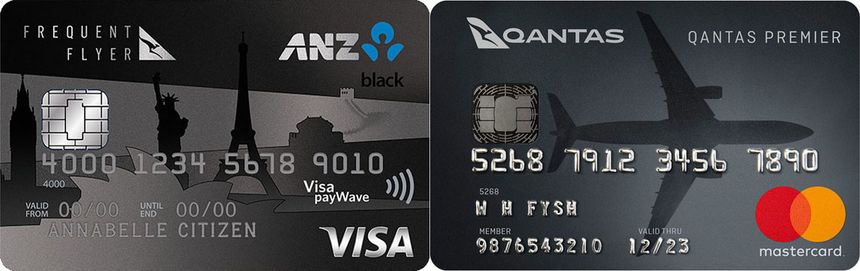
That’s compared to a flat $299/year on the Premier Platinum card which applies from year one, with ANZ’s card also including discounts on paid Qantas Club membership of up to $497 in the first year, far outweighing the annual fee – a perk not offered on the Qantas Premier card.
Best Visas, Mastercards for earning Virgin Australia Velocity points
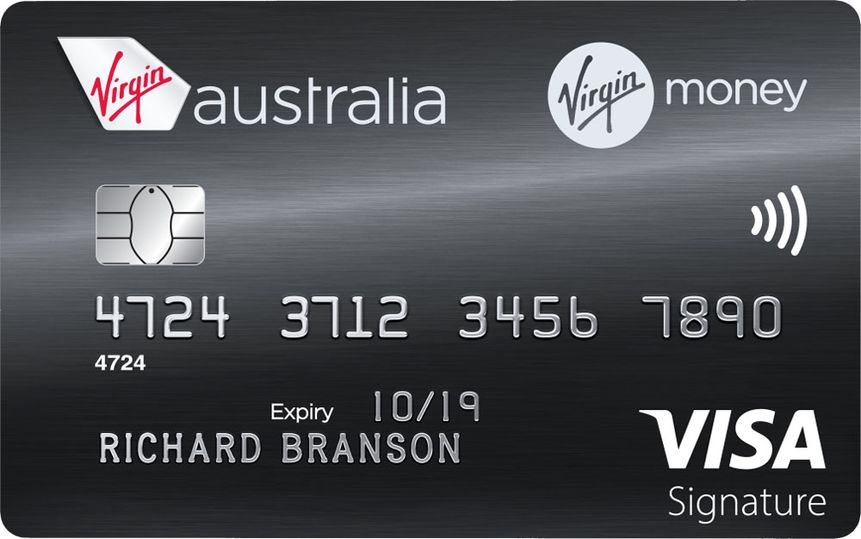
Over at Velocity, the best ‘non-AMEX’ cards for earning points both happen to be Visas, with Virgin Money’s Velocity High Flyer card dishing out one Velocity point per $1 spent on most purchases up to $8,000 per month, and 0.5/$1 thereafter, uncapped.
A $289 annual fee applies, but the card offers a $129 Virgin Australia flight voucher every year to reduce that ‘cost’, along with two complimentary Virgin Australia lounge passes every year, being Australia’s best Visa (or Mastercard) for earning Velocity points.
ANZ is also a contender here with its Rewards Black Visa providing the equivalent of one Velocity point per $1 spent up to $5,000/month via the ANZ Rewards program, and 0.5 Velocity points per $1 spent beyond that, uncapped, aside a $375 annual fee that’s reduced in the first year with $100 back on your statement when you make one eligible purchase in the first three months.
Best Visa/Mastercard for earning Singapore Airlines KrisFlyer miles
The Singapore Airlines KrisFlyer program offers some attractive redemption rates: particularly for flights in business class and first class, making it another popular option for Aussie spenders, with the best ‘not-an-AMEX’ card for KrisFlyer miles being the St. George Amplify Signature Visa.
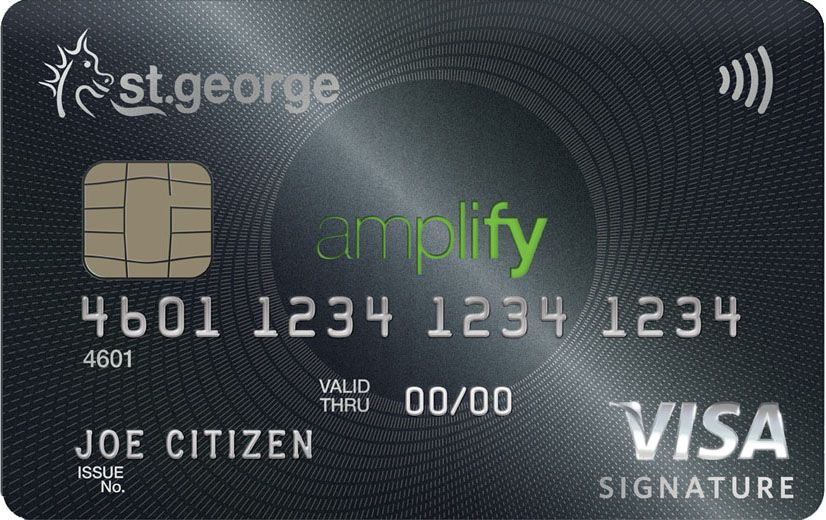
Through the Amplify Rewards program, you’ll first earn the equivalent of 0.75 KrisFlyer miles per $1 spent on the Visa, uncapped – boosted to a total of 0.825 KrisFlyer miles per $1 spent when the bank’s 10% ‘birthday bonus’ arrives in the month of your special day, giving you a 10% boost on all the Amplify points you’ve earned over the past year.
Of course, you could be earning a higher 1.5 KrisFlyer miles per $1 spent by using the AMEX Explorer credit card, but as far as Visas (and Mastercards) go, St. George’s card tops the charts.