
Five things to look for when buying headphones for running and jogging
Battery life and sound quality aren't the only things you should consider in headphones used while you're on the move.
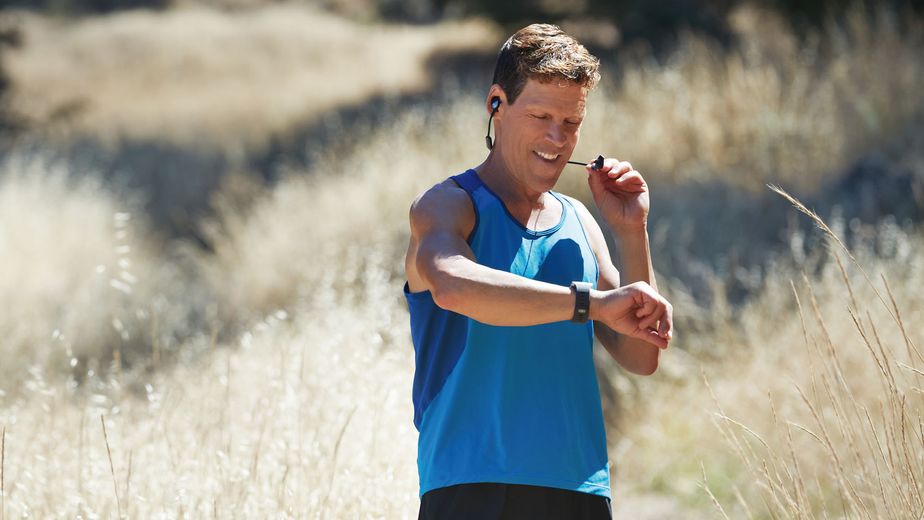
Choosing the best headphones for your exercise routine is a very different ballgame to picking a pair of noise-cancelling cans for your next flight.
When on the move, compact size and durability usually trump the bulkier choices, which may offer better sound, but aren’t as practical.
Beyond the basics like battery life, here are five things to consider when choosing your next pair of headphones for jogging or running.
1. Built for purpose: leave the over-ear cans at home
Large over-ear headphones may be great for travel when you’re kicking back with a glass of wine and a good inflight movie, but aren’t so practical when you’re out for a run – they’re bulky, easily shift out of place, and aren’t normally designed for the rigours of physical activity, like sweat.
That means investing in a separate pair for your workout: ones that can keep up with your routine.
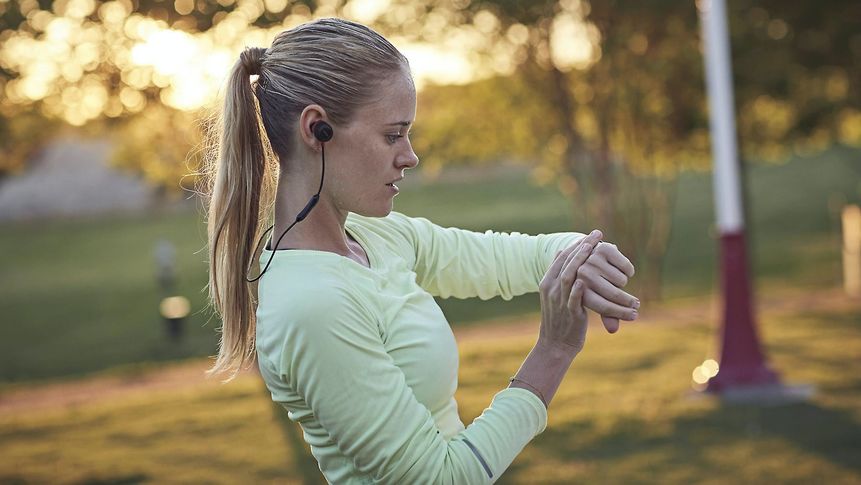
In fact, if you normally travel a lot – and make a habit of using the gym or exploring your surroundings while blending in a little exercise – you’ll want a compact set that don’t take up much space in your bag, but which are equally useful whether you’re at home or on the road.
With two pairs of headphones, you may even find yourself leaving your larger cans at home when the journey is short, such as a domestic day trip, but bringing them along when you’re jetting further afield: so consider spending a little more on a better-quality pair if you’d use them for more than your home workout.
2. Wireless, of course, but don’t rule out a cable
Although completely wireless headphones look great in the store and might seem freeing, you shouldn’t overlook headphones with a cable attached.

There’s a big difference between headphones that must be plugged into your device to carry music, and those merely with a wire running behind your neck, between the headphones: helping to keep them secure if they slip out of your ear, but also out of your way when removed.
Say you bump into a friend when you’re out and about, or stop for a quick coffee. When you have two separate headphones, removing them from your ears means hold them or stowing them away. When you have a pair with a cable, they can just hang over your collarbone, keeping your hands free.
The same is true if the headphone comes out of your ear. Rather than falling to the ground – and potentially getting stomped on, or lost – it’s right there, ready to be put back into place, with no disruption to your workout.
3. The ability to make and receive calls
Many wireless sports headphones don’t just play music: they can also help you make and take calls, quite literally on the run.
With a built-in microphone, you simply press a button on the headphones when your phone rings, which pauses your soundtrack and swaps to the call. Press that button again, and you’re back listening to music.
Often, that button can also be used to activate your device’s voice assistant, like Google Assistant or Siri – whether that’s to initiate a call, name the next album on your playlist, or check the weather forecast.
4. Adjustable or changeable ear buds, for a snug fit
When you’re spending good money on headphones – and especially those used when you’ll be on the move – it pays to find a pair that can be adjusted to suit you.
Rather than being ‘one size fits all’, some sports headphones come with ear buds in several sizes, so you can find the best fit.
Products like Fitbit Flyer and Bose SoundSport also come with interchangeable fins and wings, to suit all parts of your ear.
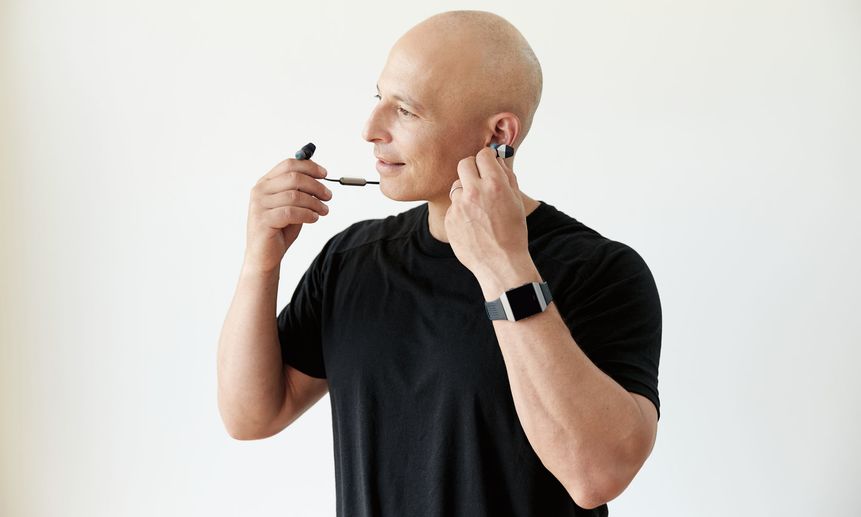
5. Noise-cancelling? Don’t sweat it.
Noise cancellation might be a must-have for your travel-bound over-ear cans, but when you’re out and about, being aware of your surroundings is arguably more important.
It’s true that noise cancellation largely works to remove background hums rather than individual sounds, but if there’s a bike dinging its bell and about to overtake you – or a car honking its horn because you’re in danger – it’ll be much harder to hear when noise-cancellation is on, and the volume is cranked up.
If your sporty headphones are still noise-cancelling, you can often disable that feature on a temporary basis through the manufacturer’s mobile app: then, if you later plan to use those headphones in flight, dial the noise-cancellation back up to the maximum.