
Business class vs first class on China's high-speed rail network
On China's bullet trains, business class turns out to be superior to first class.
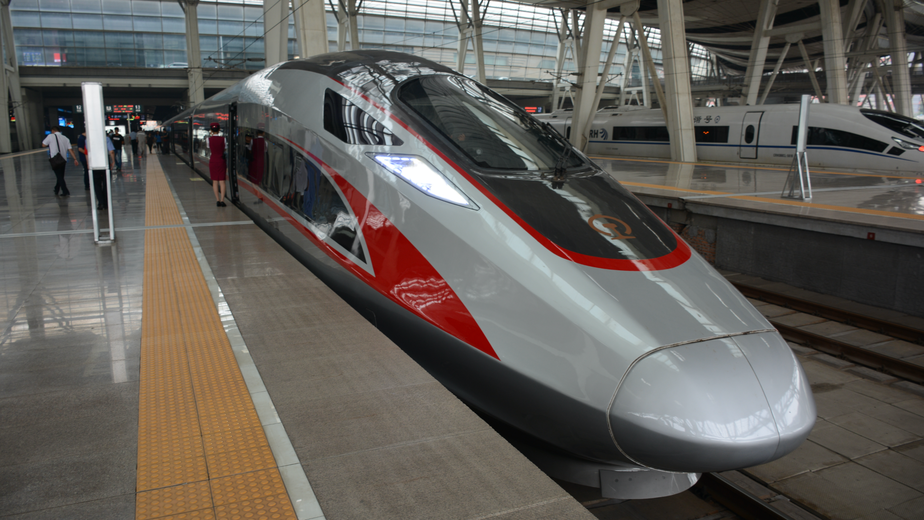
You'd normally be right in believing that first class travel trumps business class – but on the high-speed rail in China, it's actually the other way around: business class is the highest level of service, followed by first class as second-best.
Confused? Here's the difference between the two, and why you should be booking business class on trains where 'first class' is available too.
High-speed rail business class vs first class: pre-departure lounge
In some railway stations such as Guangzhounan (Guangzhou South), you'll notice that business class passengers get VIP treatment from the moment they arrive, over and above what's offered to first class.
For example, Guangzhounan offers a private entrance exclusively for business class guests with a dedicated security screening room – which sure beats queueing for security via the main checkpoints when travelling in other classes.
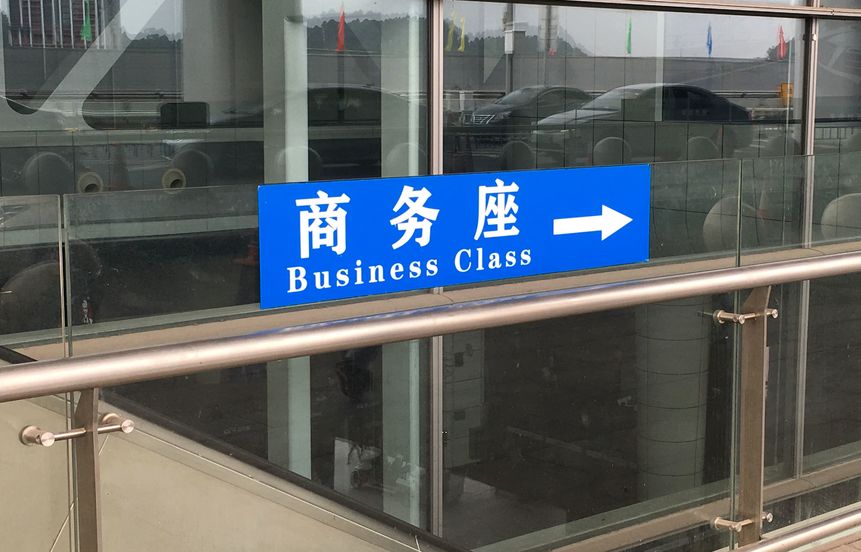
That's your first hint that in the high-speed rail stakes, business class trumps first class: and that's a handy thing for both corporate and government travellers to know, given 'first class' travel can often be restricted, with 'business class' journeys more widely deemed acceptable.
Beyond that VIP entrance for business class, both business and first class travellers otherwise begin their trip in the same way at the station, with access to a shared pre-departure lounge, where available.
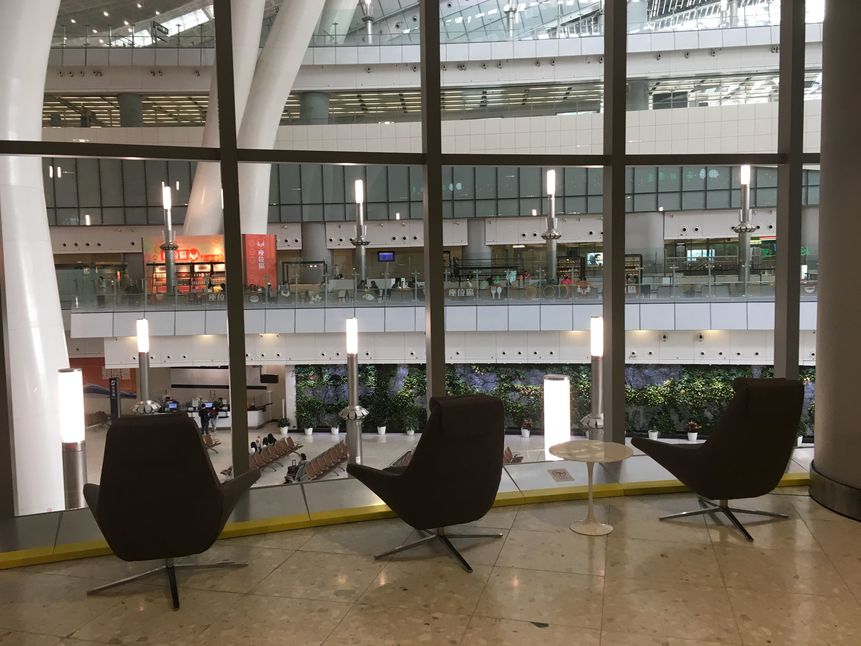
In Hong Kong, the lounge overlooks the concourse below, with the station's design also letting plenty of natural light flow through, despite the lounge having no exterior-facing windows.
Elsewhere, such as in Guangzhou, the lounge is instead a dedicated space in the middle of the concourse. This might feel odd at first, but is a much quieter area than the public departures area.
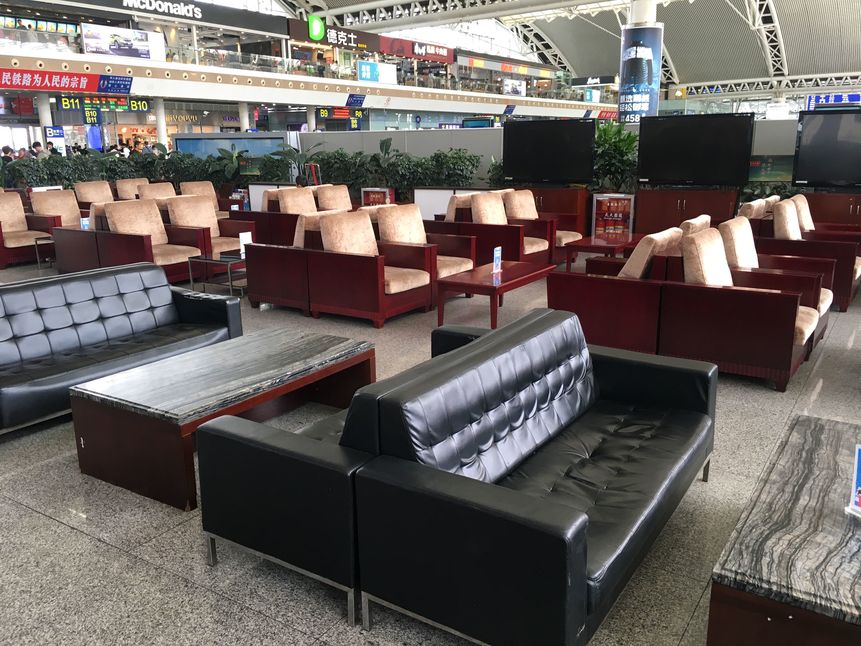
Refreshments are generally limited: in Hong Kong, there's chilled water, boiling water and tea, while in Guangzhou, you'll find only a few packaged nibbles and water, so don't expect something on par with a Cathay Pacific airport lounge, for example.
High-speed rail business class vs first class: the cabin
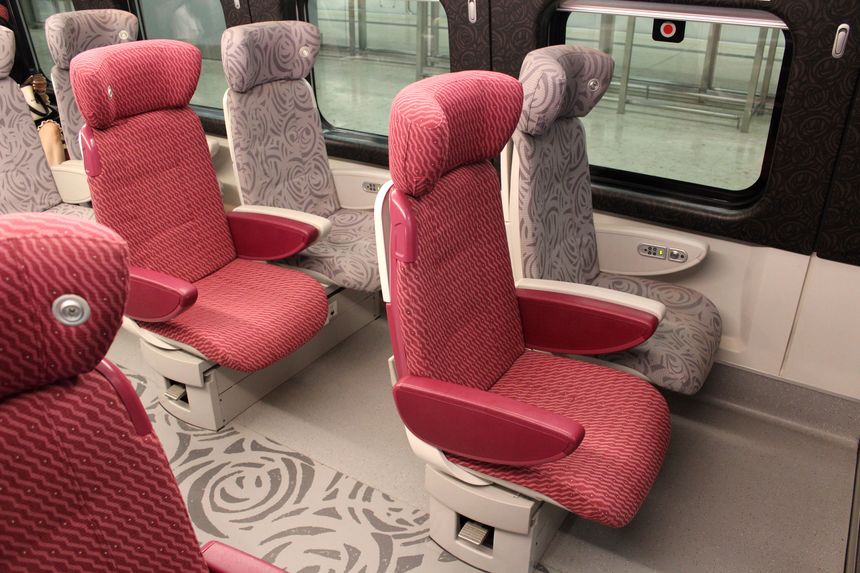
On board the train, first class offers seating in a 2-2 arrangement, filling an entire section between two entry doors.
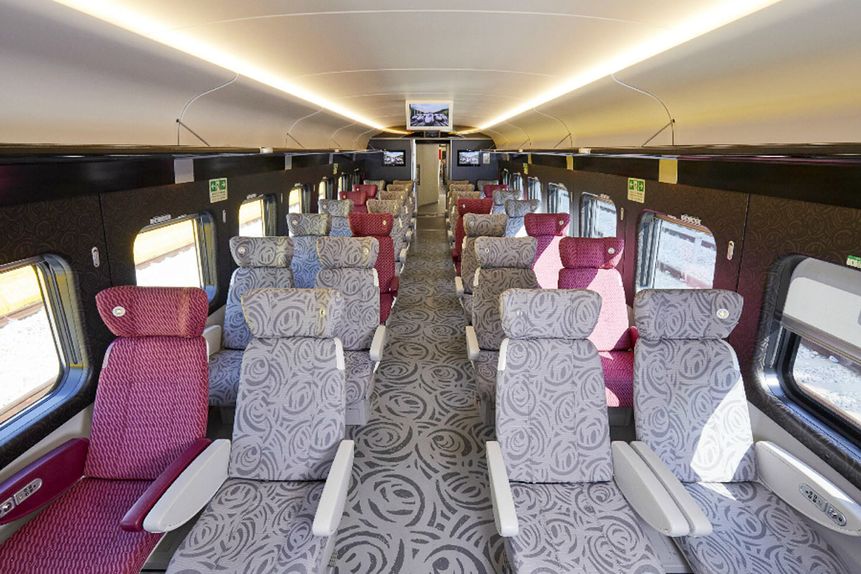
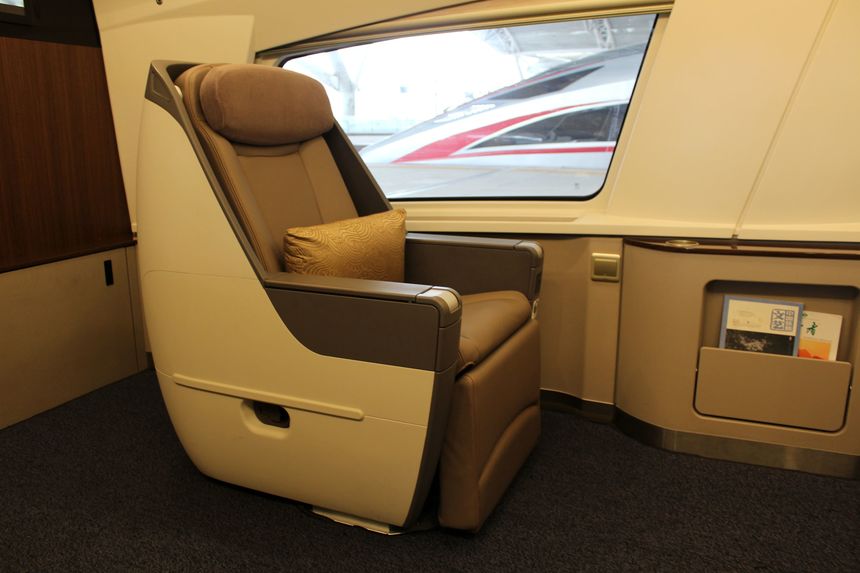
Business class, however, is a much smaller zone with just five seats across two rows, in a 1-1 and 2-1 layout.
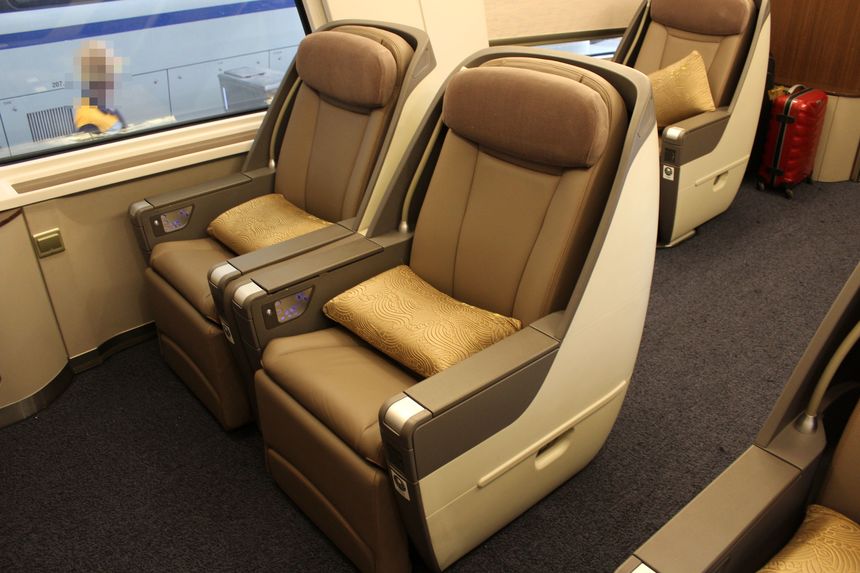
Snag a seat on your lonesome, especially in the second row facing the direction of travel, and it's an incredibly private experience.
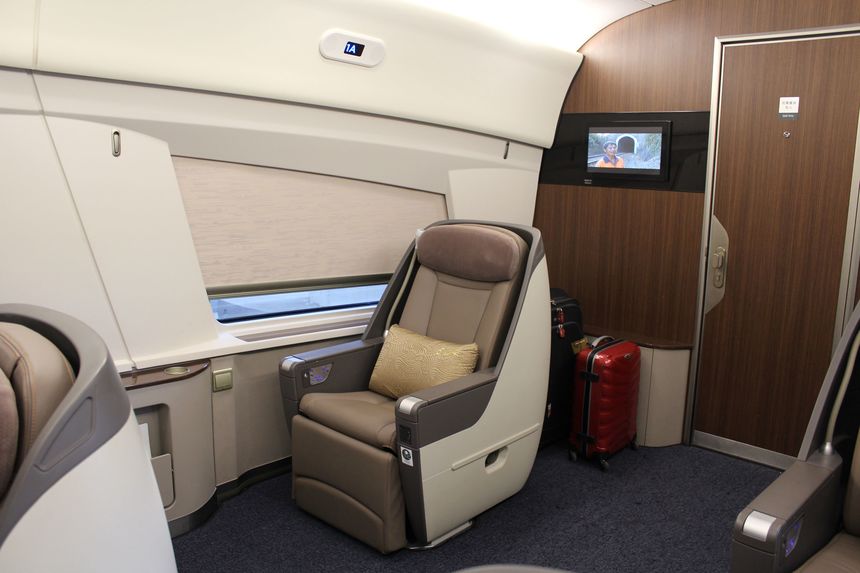
In first class, travellers seated by the windows can only access the aisle by walking in front of their neighbour. There's usually enough space to do this, except where that neighbour has their tray table in use, which will need to be folded away to let you pass.
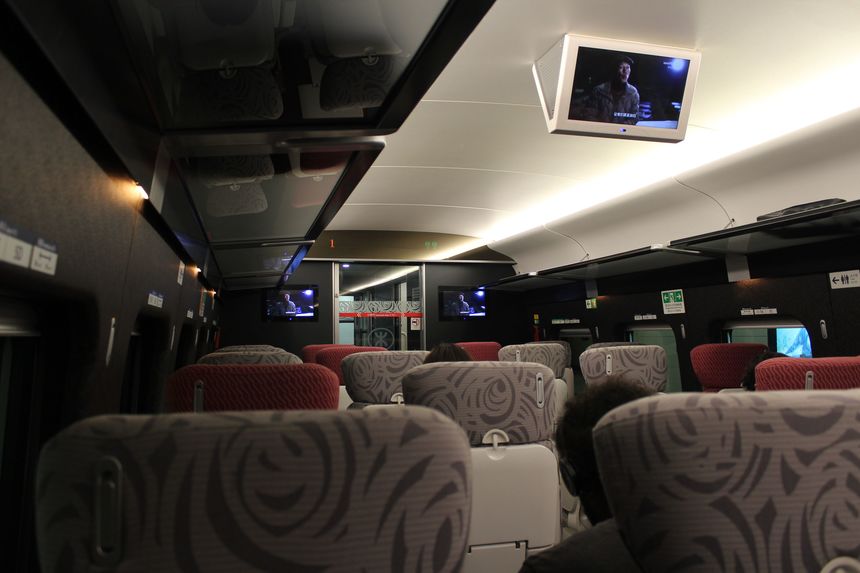
In the more luxurious surroundings of business class, space is not a problem, with three of the five seats in the cabin being on their own, and one pair of seats still offering plenty of space for the window passenger to pass.
For a little relaxation, seats in first class can be reclined by holding in a button at the side of the armrest, just like on a plane.
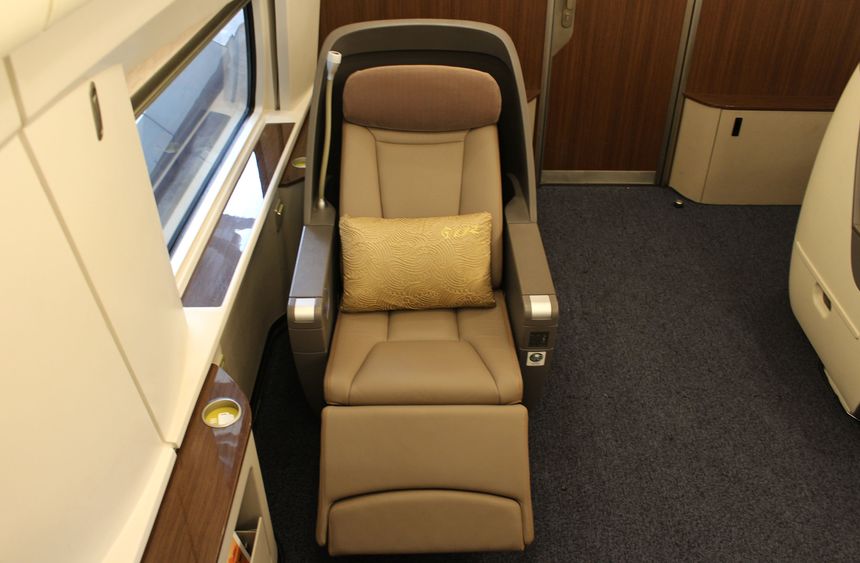
Business class, however, takes that to the next level with a motorised seat, better-emulating the experience on a long international flight. Through the various control buttons, you can craft your perfect position, such as by reclining the seat and raising the leg rest.
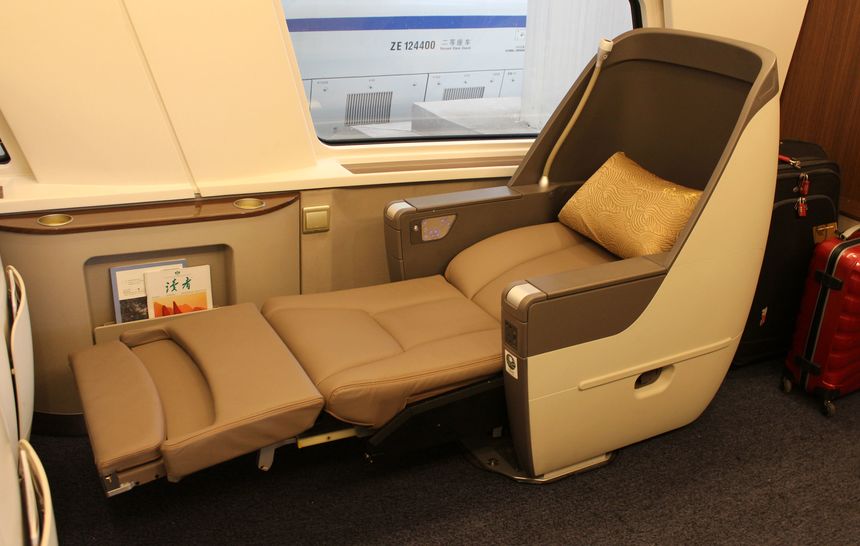
Or, put the seat all the way down to create a bed – and if you plan to sleep, just flick that light switch on the side wall, which nixes the lights directly above you.
High-speed rail business class vs first class: the service
In both business class and first class, cabin attendants can help you find your seat, and help with any issues you may have such as connecting to the train's WiFi network.
This of course requires a Chinese mainland mobile number – the staff can't help you bypass that requirement if you're roaming instead – but on a journey from Hong Kong to Guangzhou, the staff were able to speak English and assist a fellow traveller with the connection process.
Food and beverage service in first class is whatever you've brought with you onto the train, as there are no complimentary drinks or snacks.
When departing Hong Kong, be mindful that there are also no shops located after Chinese passport control, so the duty-free stores beforehand sell refreshments that you can bring through.
Business class instead offers travellers a selection of complimentary refreshments. On a quick hour-long hop from Guangzhou to Hong Kong, this included a bottle of water plus a snack box, filled with a variety of treats.
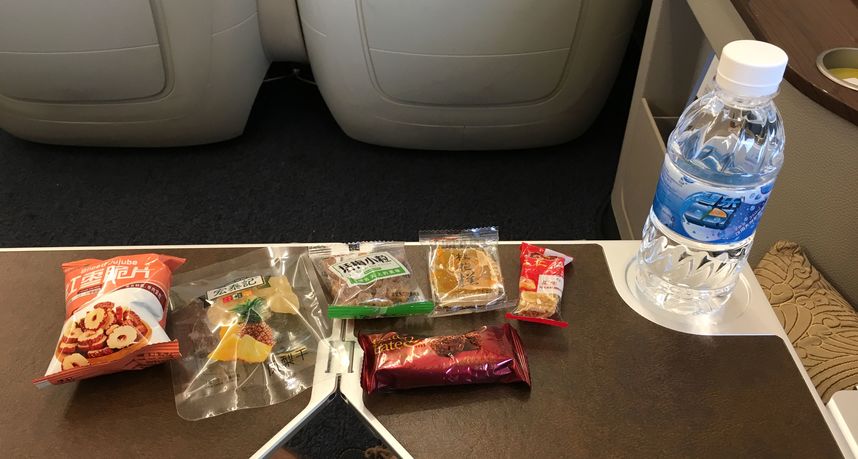
On longer journeys, other beverages such as hot tea are also available.
High-speed rail business class vs first class: the price
As you'd expect when business class offers the best experience, a business class ticket costs more than a first class seat – but price difference between the two is minimal.
For example, a one-way first class ticket from Hong Kong to Guangzhou will set you back HKD$358, or around A$67. A business class booking, on the other hand, is priced at just HKD$500 for the same journey, or about A$93.
At just A$26 extra, your business class ticket gives much more privacy on board thanks to the smaller cabin, easier access to your seat or no neighbour altogether, the ability to turn your seat into a bed, and refreshments along the way.
Although business class isn't available on every high-speed train, choosing it over first class is a no-brainer where it's available: and for travellers filing company expense reports, a "business class" receipt looks much better to most accounting departments than "first class", despite the latter being lower-priced.
Executive Traveller high-speed rail reviews:
- China: Business class, Guangzhou South to Hong Kong Kowloon
- China: First class, Hong Kong Kowloon to Guangzhou South
- Japan's Shinkansen 'Green Car', Hiroshima to Osaka
- Eurostar Business Premier class, London to Paris
Chris Chamberlin travelled as a guest of MTR Corporation.